Composition pass
Check hierarchy, subject scale, empty space, panel boundaries, and the path the eye follows.
Qwen Image 3 is not yet available in this catalog. The generator runs Qwen Image 2512 now, while the page tracks prompt and review techniques for the announced Qwen Image 3 release.

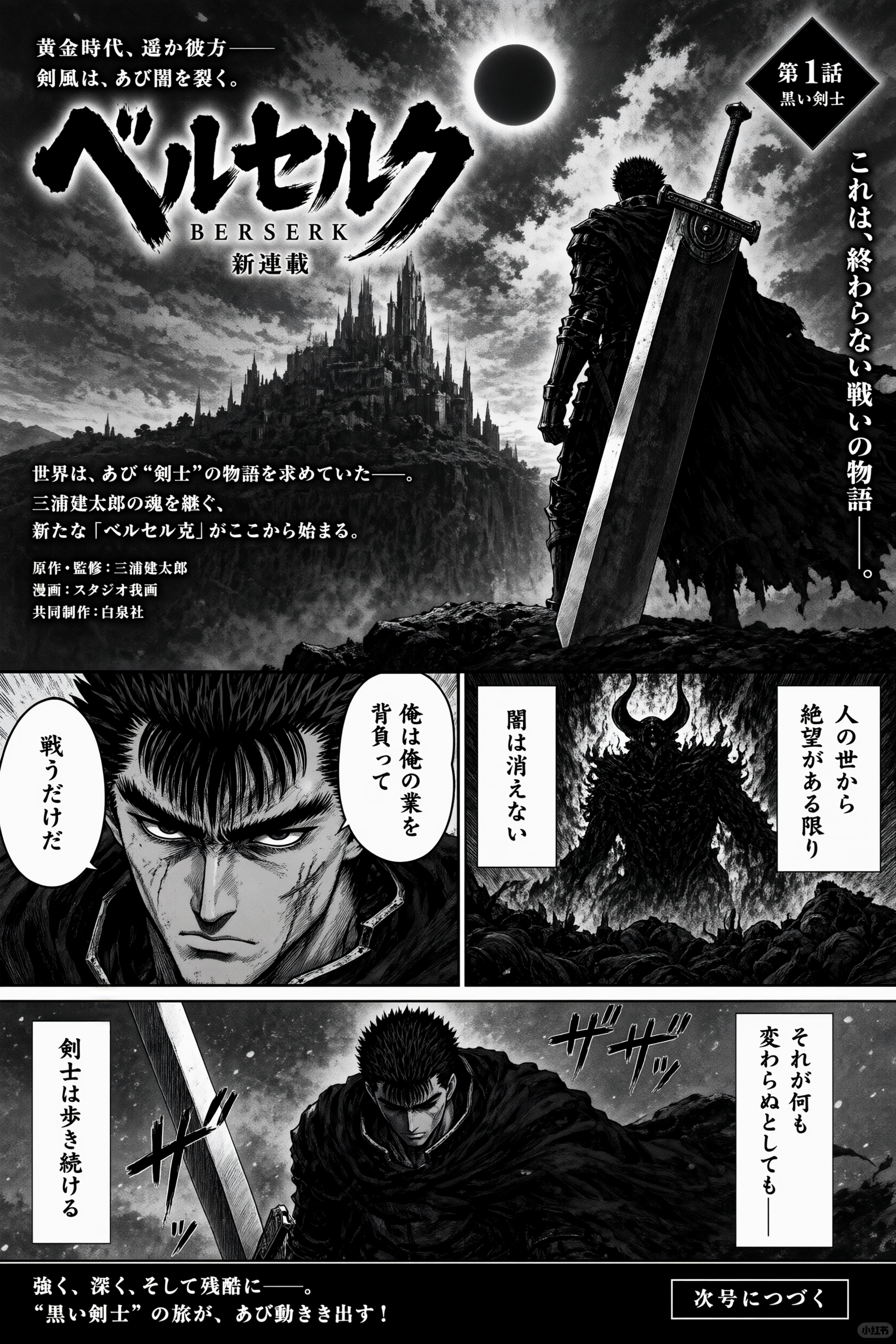
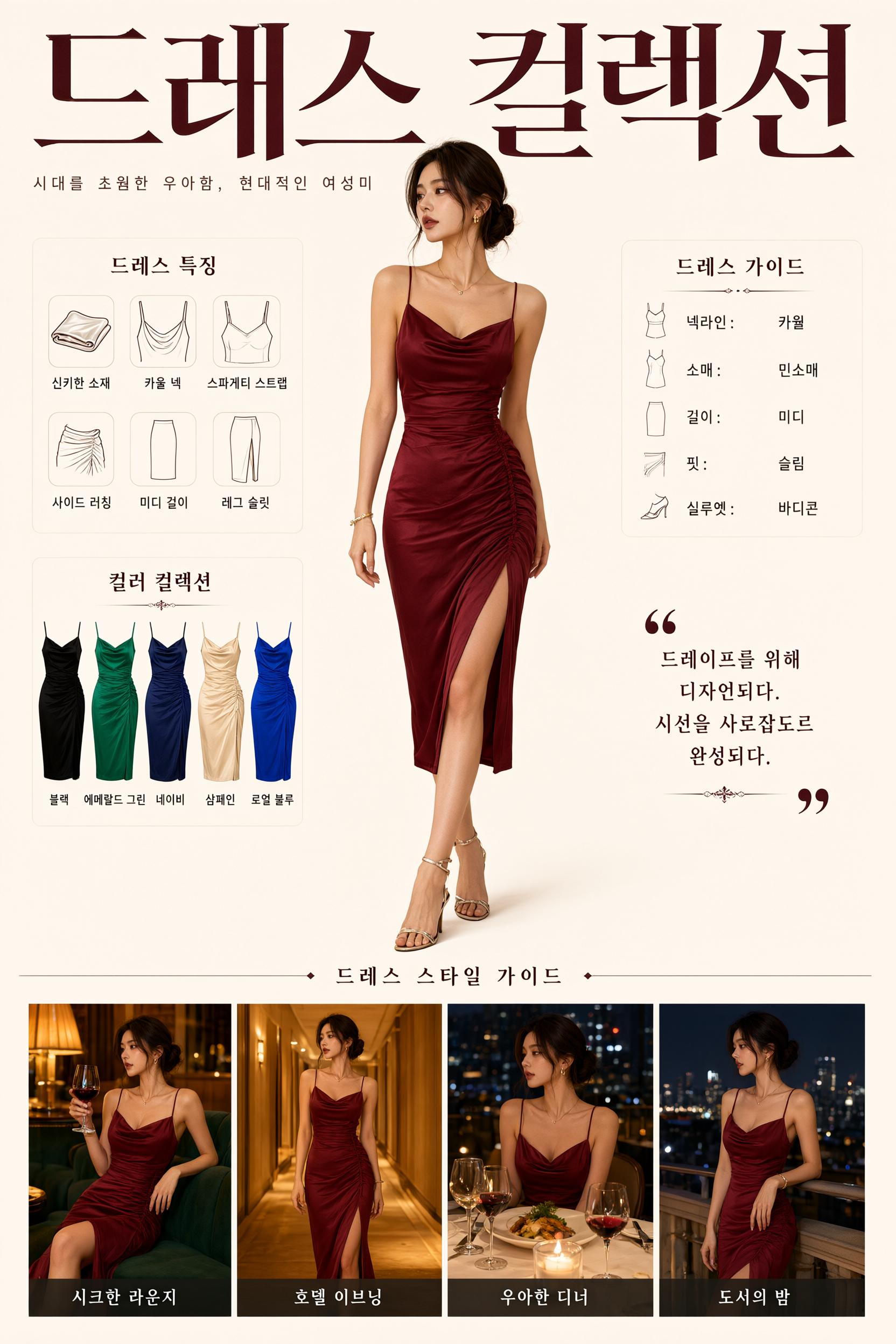
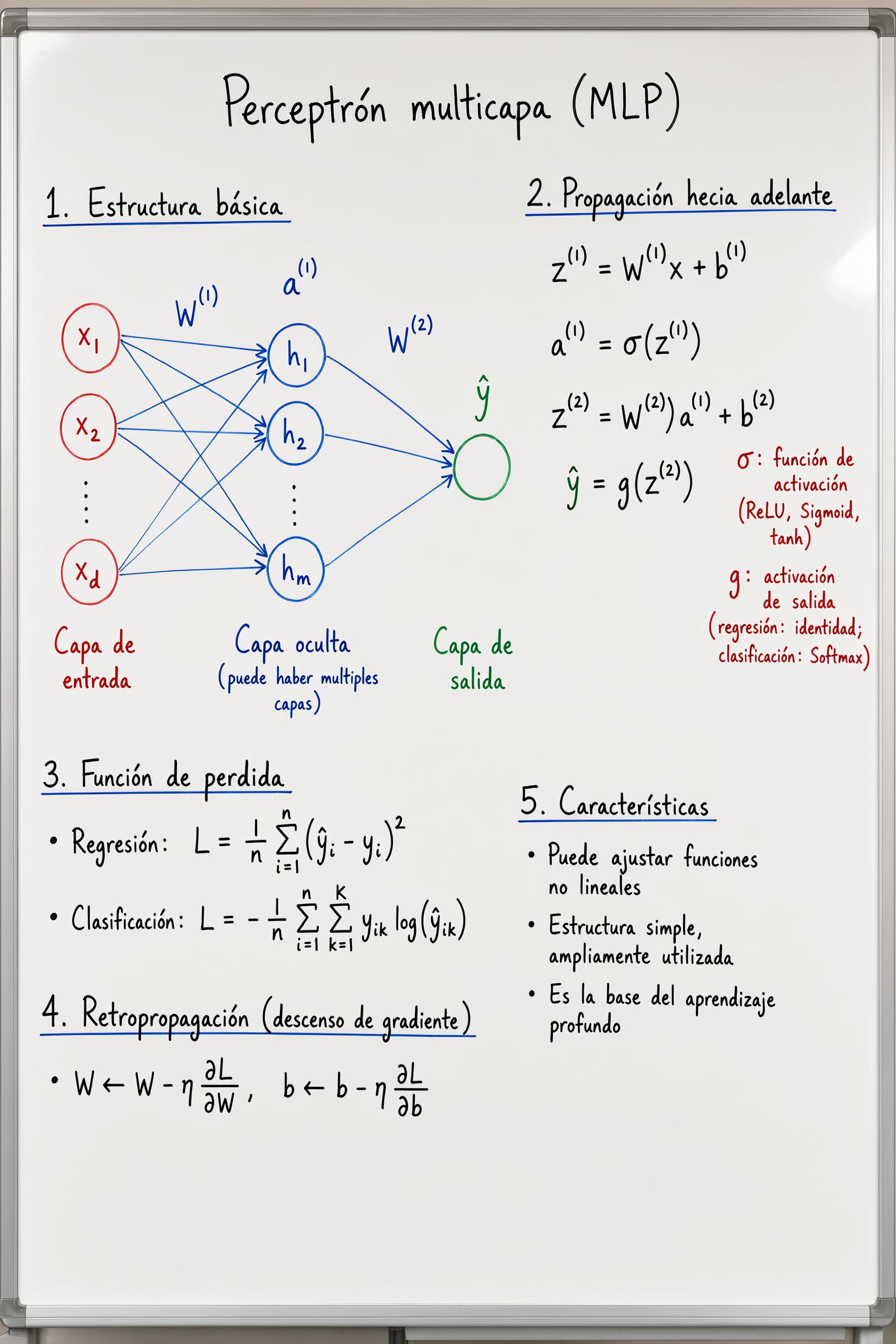
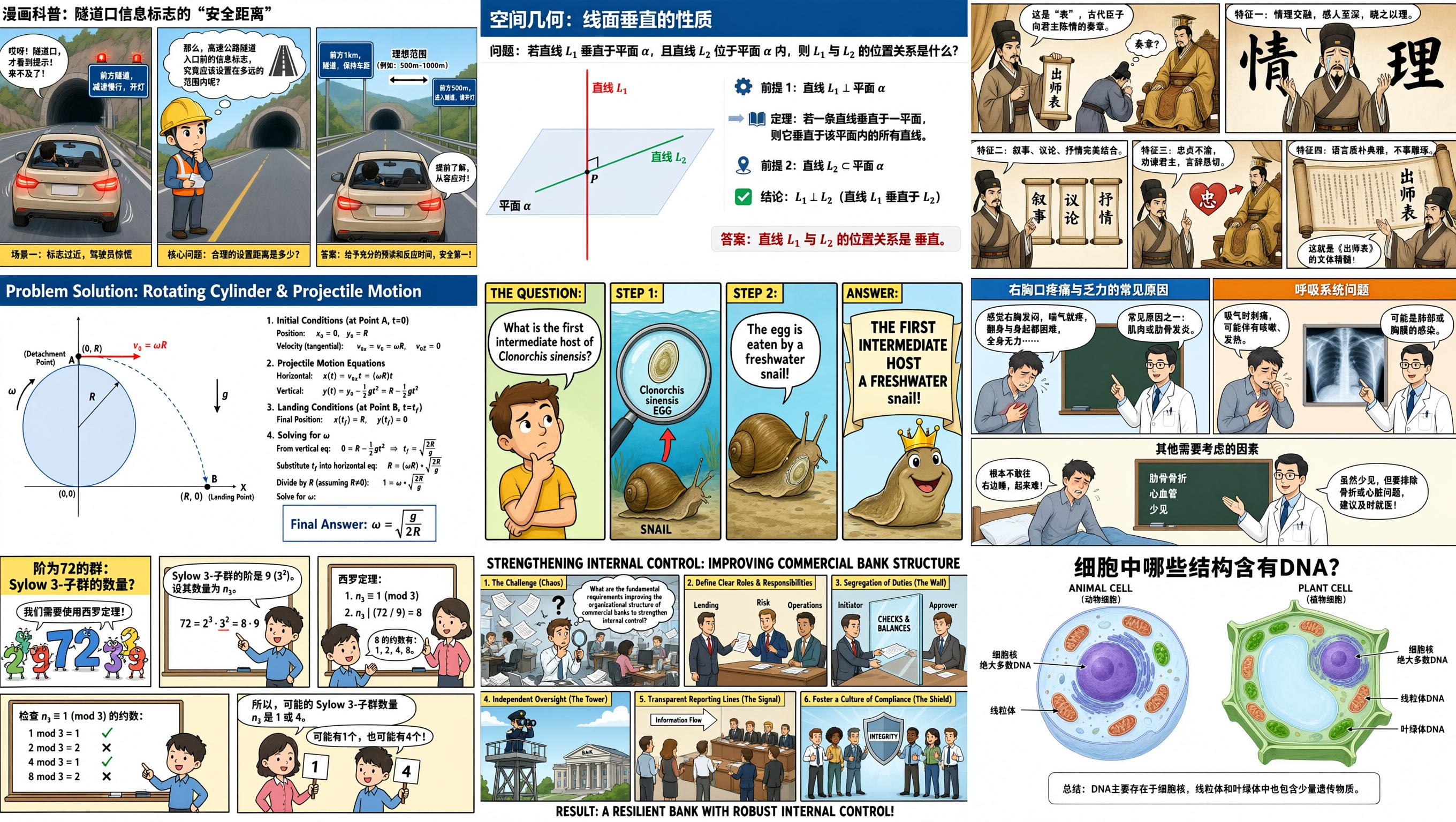
 Plate 01 · one wide render
This is one 3×3 generation rather than nine images assembled afterward. It tests whether a long brief can keep lessons, diagrams, formulas, illustrations, and local hierarchies separate while the overall sheet still reads as one object.
Use this kind of Qwen Image 3 composition for lesson sheets, storyboard boards, product matrices, campaign systems, or dashboard concepts. Keep searchable, selectable, or regulated information in real HTML or a layout file—the generated canvas is visual evidence, not a replacement for source data.
Availability note: Qwen Image 3.0 is tracked as coming soon on this page. The generator above is explicitly set to Qwen Image 2512, the closest live Qwen Image option in this catalog. These plates are prompt and review studies, not proof that Qwen Image 3.0 is already callable.
Nine subjects remain visibly separate.
Large lessons lead; small diagrams support.
Labels and formulas need line-by-line review.
Generated diagrams are drafts, not sources.
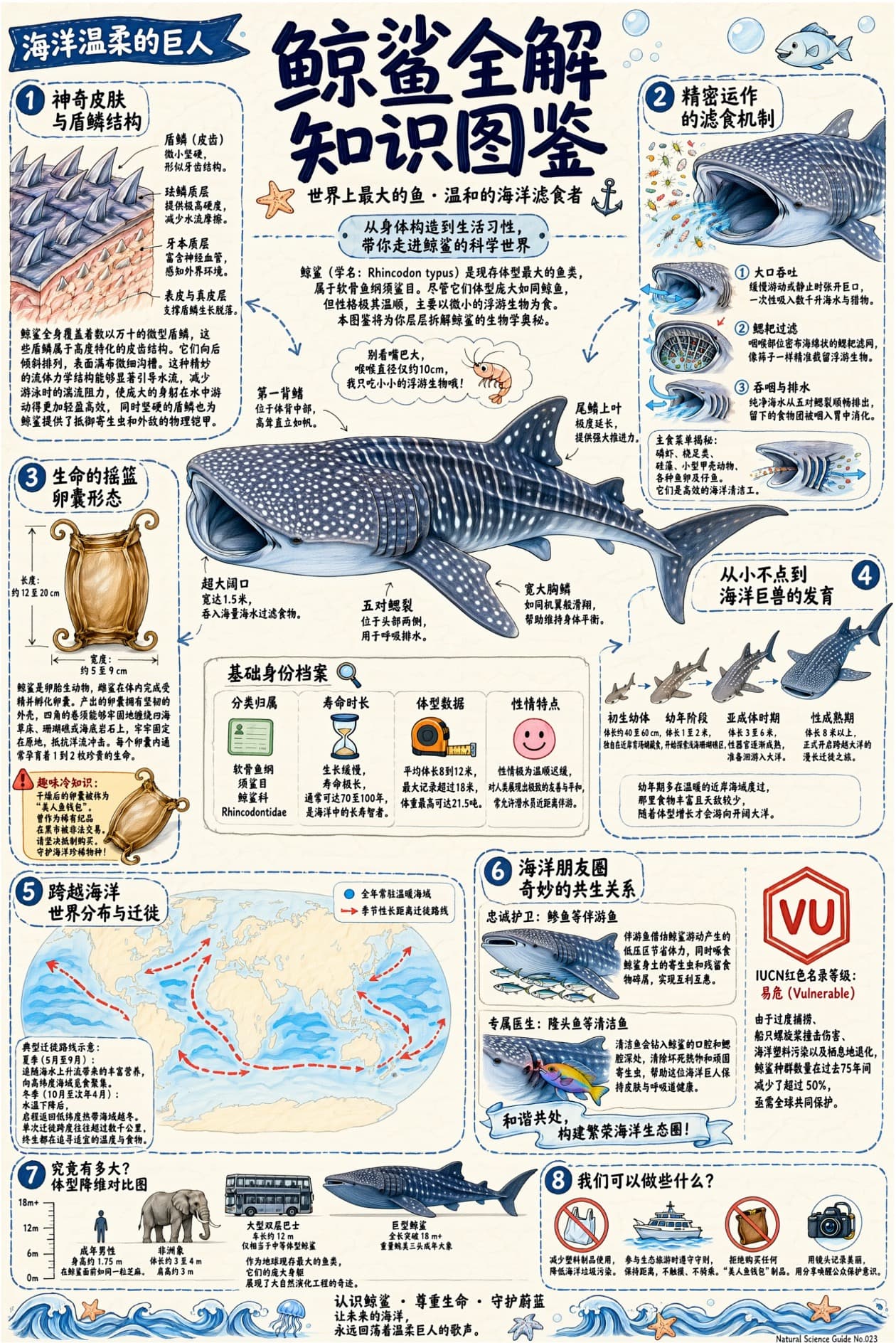
A reduced thumbnail can make dense output look convincing. The full infographic and magnified crop come from the same file, so you can inspect small labels, line joins, repeated forms, and texture without mistaking scale for quality.
Does the subject and reading order work?
Are labels, punctuation, hands, and edges coherent?
Can the intended audience actually read it?
Multilingual image work cannot be judged by a language badge. The practical test is whether exact copy, spacing, hierarchy, and reading direction survive in the market where the image will ship.
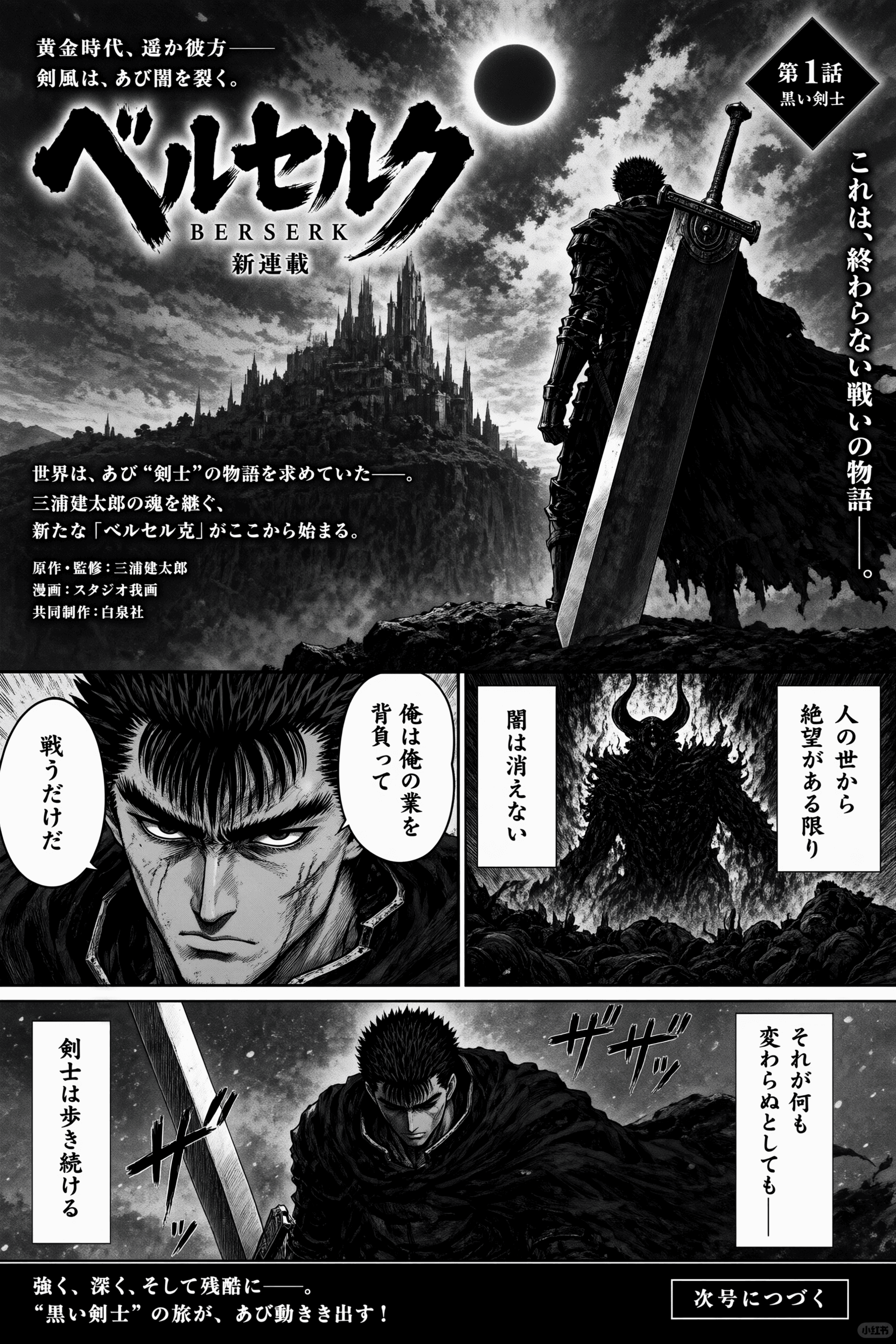 03 · Japanese
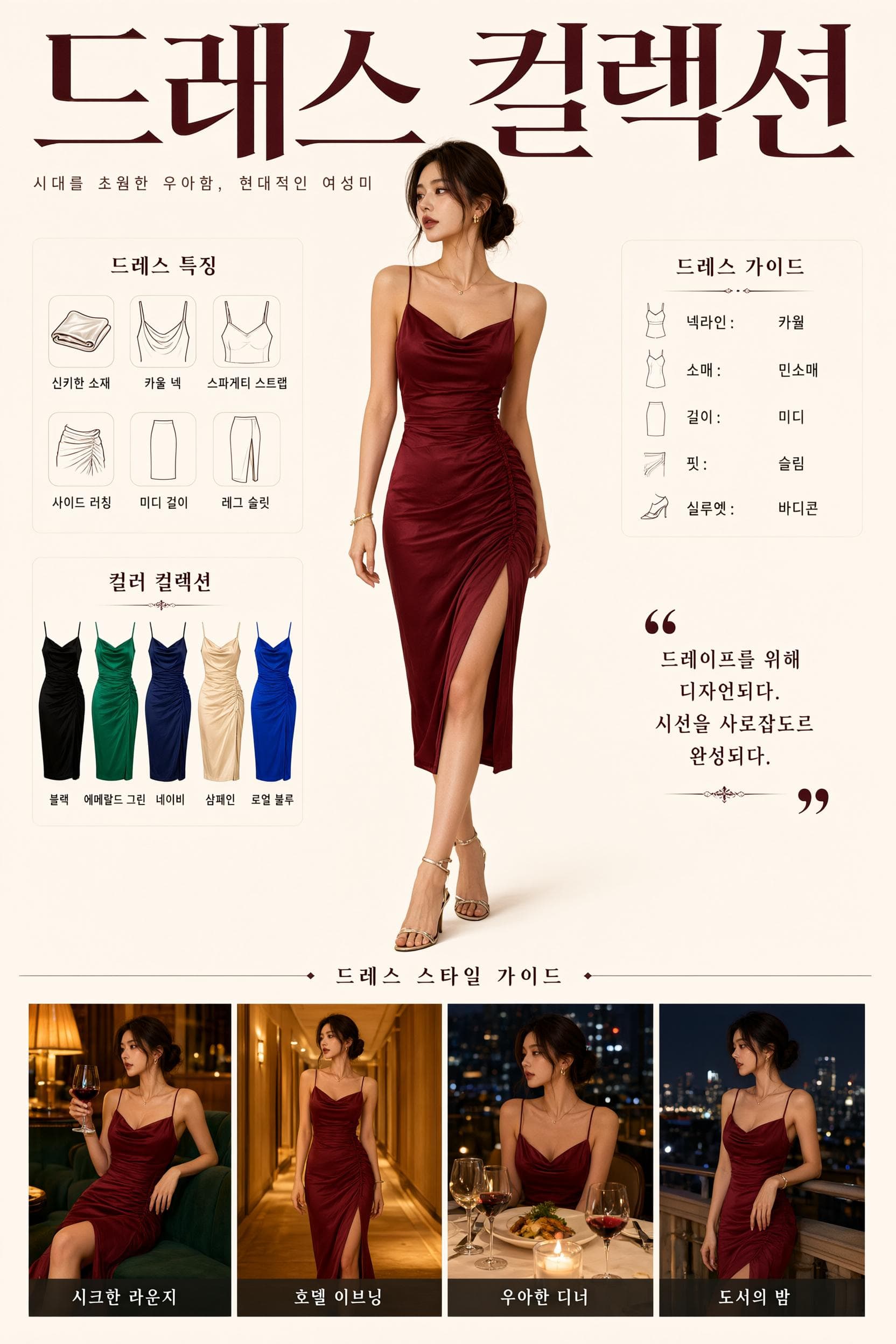 04 · Korean
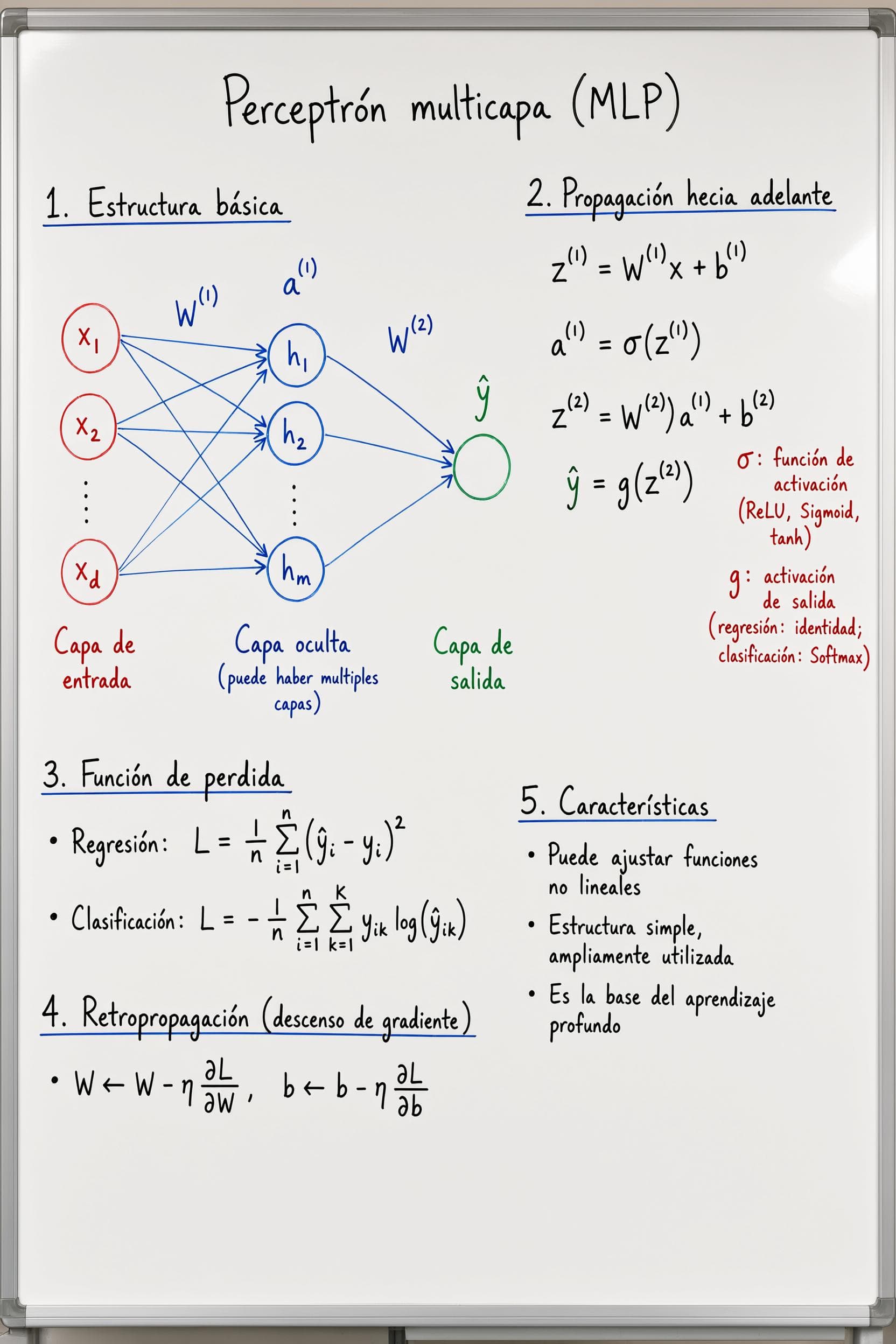 05 · Spanish
Give every locale its exact copy, line-break preference, type role, and cultural constraints. Longer Latin-script phrases, compact CJK headings, and vertical Japanese rhythm create different pressure on the canvas. Generate and review them as separate deliverables.

Realism in a Qwen Image 3 prompt workflow is easier to judge when the brief describes a plausible capture. Name the subject, location, camera distance, light source, depth of field, wardrobe, material, and intended imperfection. A stack of quality adjectives gives the image less physical logic to follow.
For ecommerce, replace mood language with product geometry, label placement, contact shadow, surface, and camera angle. For editorial work, specify what should remain imperfect so the result does not collapse into polished plastic.
Long context is useful only when every instruction has a visual address. Start with the deliverable, divide the canvas, place exact copy, then add style and constraints.
Name the object and final aspect ratio before describing a style.
Assign each headline, subject, diagram, and footer to a region.
Quote the exact words, numbers, labels, and language to render.
Set type roles, palette, lighting, materials, and image treatment.
List what must not be cropped, moved, translated, or invented.
First judge the composition at a glance. Then inspect the generated pixels at full size. A detailed result can still fail when the focal message disappears, the reading order is confused, or a critical label is wrong.
Check hierarchy, subject scale, empty space, panel boundaries, and the path the eye follows.
Inspect text, numbers, punctuation, repeated objects, hands, contact edges, and reference consistency.
Use a fluent reviewer for every market and replace critical copy in a real layout tool when exactness is mandatory.
Review the final crop and size, keep the approved prompt, and export only after factual and rights checks.
Use this Qwen Image 3 workflow for long briefs, dense content, multilingual copy, and document-like compositions.
Qwen Image 3.0 is the model name tracked by this coming-soon page. It is not currently available in Voor's catalog. The generator is labeled and configured as Qwen Image 2512, while this page remains a practical prompt and review guide for the announced release.
Qwen Image 3.0 is especially useful for dense infographics, posters, multilingual campaigns, interface concepts, storyboards, realistic editorial images, and compositions that combine several kinds of information on one canvas.
The exact supported prompt length depends on the runnable model shown in the generator. Even when a model accepts a long brief, structure it into the deliverable, canvas regions, quoted copy, visual system, and preserve list so each instruction has a clear visual purpose.
Text rendering is a headline capability, with examples that include dense infographics, formulas, and very small labels. It is still a generative model: proofread every letter, number, formula, URL, and legal line before publication. Use real HTML or design software when exact copy is mandatory.
Confirm the language options shown by the runnable model before production. For any locale, quote the exact visible copy, name the language and font role, generate each market as a separate layout, and review the result with a fluent speaker.
Editing and reference-image limits must be confirmed against the runnable model shown in the generator. When editing is available, describe the intended change and add a preserve list for identity, product geometry, layout, color, lighting, and camera angle.
Use the aspect ratios and output sizes shown by the runnable model in the generator; generation and reference-guided editing can have different limits. Choose the final delivery format before describing the layout, then inspect the exported image at its real display size.
Put visible copy in quotation marks, separate text content from styling instructions, assign each phrase to a specific region, and avoid asking one small area to hold too much copy. Proofread every result at its final display size.
Start with the deliverable and canvas, map the major regions, quote exact copy, define the visual system, list what must remain unchanged, and finish with the intended delivery size. Clear sections work better than a long stream of adjectives.
Choose the final format, place each region, quote the visible copy, and review the Qwen Image 2512 result at delivery size.
Start creatingOptional cookies help us understand usage and measure ads. Essential cookies stay on so Voor works.