
FLUX Dev online gives you the FLUX.1 Dev open-weight image model. Open weights offer flexibility, while licenses, platform rules, and safety policies still apply.


FLUX.1 Dev, often searched as FLUX Dev or Flux 1 Dev, is Black Forest Labs' open-weight text-to-image model. The generator starts with GPT Image 2 because it gives most visitors a stronger first result without requiring them to understand model trade-offs; select FLUX.1 Dev from the model picker when you specifically want to compare or use the open-weight model. Searches for ‘FLUX Dev no restrictions’ confuse open weights with an absence of rules: model licenses, hosting terms, content policies, and applicable law still apply. Creators use FLUX Dev for photographic scenes, concept art, product mockups, and short on-image text. Teams should review Black Forest Labs' current license terms before commercial deployment.
FLUX Dev's combination of open weights and frontier-grade output makes it the most flexible single model in the open-source ecosystem. Studios that want to fine-tune their own checkpoint start from FLUX Dev. Teams that just want one reliable text-to-image model use FLUX Dev on Voor AI without bothering with self-hosting.
Compared to closed APIs, FLUX Dev gives you weights you can inspect and prompts you can reproduce. Compared to other open models, FLUX Dev's prompt adherence and realism are usually a step ahead. The license is the one thing to read carefully before commercial deployment.
FLUX Dev sits in the middle of the FLUX family. FLUX.1 Schnell is the fast, lightweight variant. FLUX.1 Pro is the closed, top-tier commercial model. FLUX Dev is open weights with a non-commercial license by default — production-grade quality, source available, requires a commercial license from Black Forest Labs for paid work.
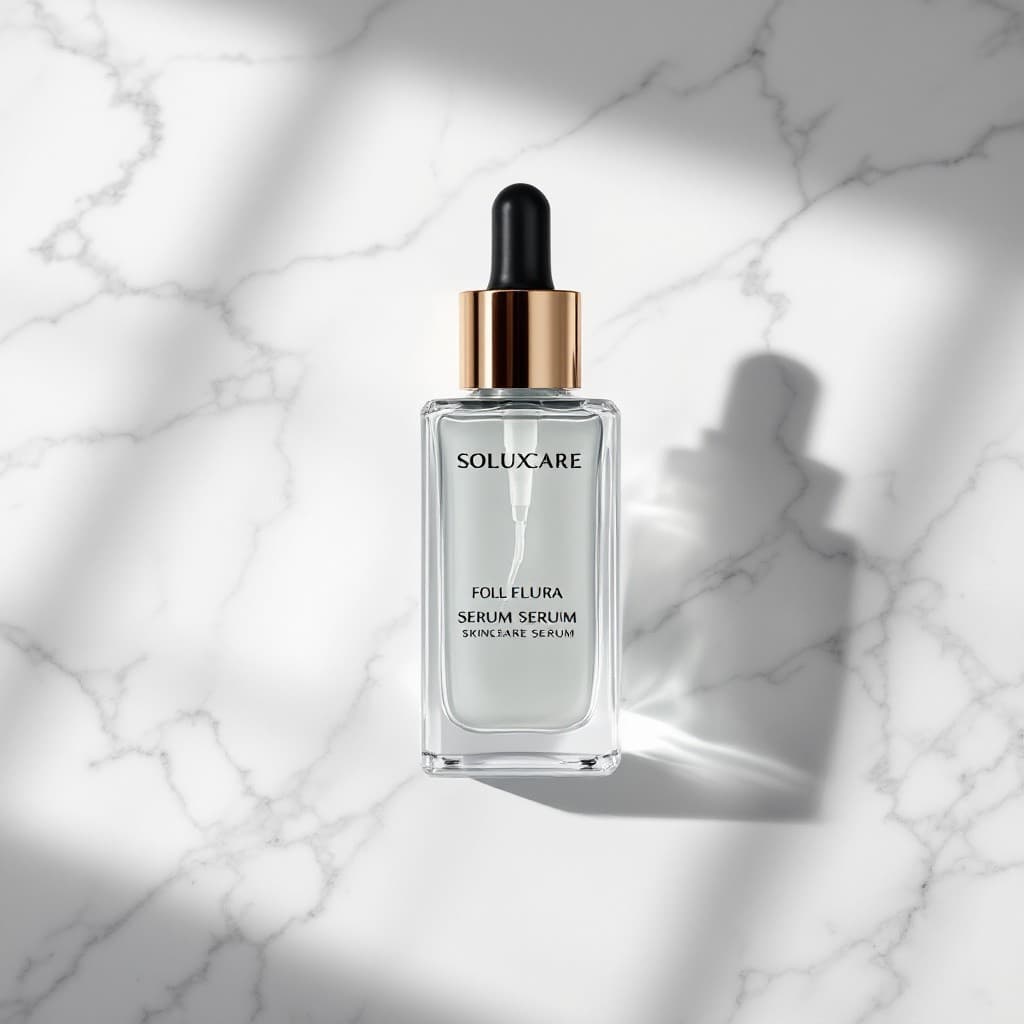
Practically, FLUX Dev is the right pick when you want one model that handles realism, illustration, and stylized work without swapping checkpoints. Marketers use FLUX Dev for product hero shots. Indie game studios use FLUX Dev for concept art. Educators use FLUX Dev as a teaching baseline because the weights are inspectable.
Where FLUX Dev is not the answer: ultra-fast iteration (FLUX Schnell is faster), enterprise SLAs (FLUX Pro through Black Forest Labs is the API for that), or strict commercial use without a license (read the FLUX Dev license before shipping).
Most open image models stumble on one of these axes. FLUX Dev clears all of them.
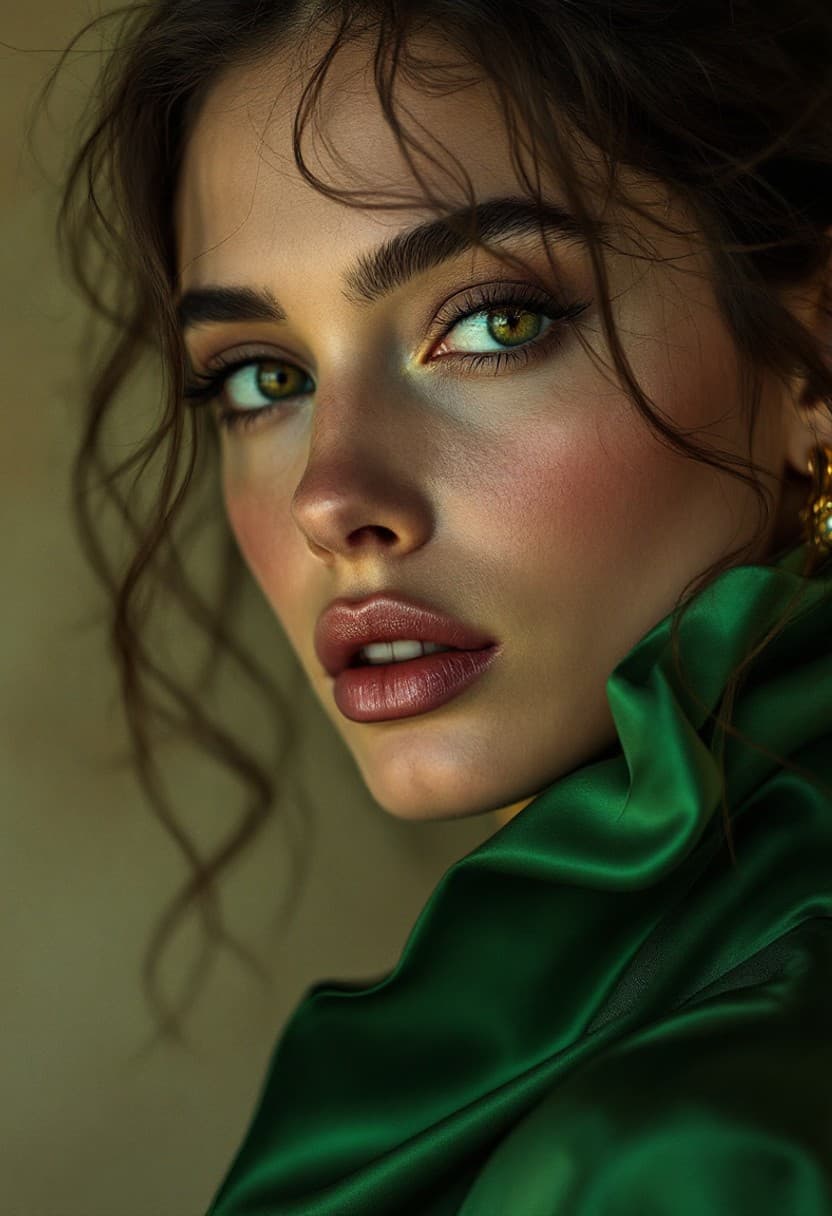
FLUX Dev outputs portraits, products, and scenes with the kind of micro-detail (skin texture, fabric, depth of field) that used to require Midjourney or proprietary models. Realism is FLUX Dev's default register.
Short text in images — labels, signs, packaging — comes out legible on FLUX Dev more often than on most open competitors. Useful for mockups, posters, and on-image copy.
FLUX Dev follows prompts longer than 100 words without losing focus. Multi-clause descriptions of subject, environment, lighting, and lens behavior land more reliably than they do on SDXL-class models.
FLUX Dev's weights are public, so the output you get on Voor AI is the same architecture researchers are running locally. Useful for teams that want generation results they can verify or reproduce offline.
The panel above starts on GPT Image 2 for the best general first result. To try FLUX Dev itself, choose it in the model picker; it rewards specific, layered prompts.
FLUX Dev pays the most attention to the first 20 words. State the subject and the medium ('a 35mm portrait photograph of...', 'an editorial illustration of...') before drowning the prompt in modifiers.
FLUX Dev is camera-literate. Words like 'golden hour', '85mm portrait lens', 'softbox studio light' produce visibly different results than a bare description.
Generate the same prompt twice. FLUX Dev's variation between seeds is informative — picking the best of two is usually faster than tweaking prompts in isolation.
No. Open weights mean the model is available for inspection and certain self-hosted workflows; they do not erase the model license, platform rules, safety policies, or applicable law. Treat ‘FLUX Dev no restrictions’ as a misleading search phrase, not a product promise.
Most visitors want the strongest result, not a particular checkpoint. GPT Image 2 is the recommended default; FLUX Dev remains available in the model picker for open-weight testing and direct comparison.
By default, no — FLUX Dev's open-weights license is non-commercial. Black Forest Labs offers a commercial license separately. If you ship FLUX Dev output in paid work, read the license terms first.
FLUX Schnell is faster and lighter but has lower fidelity. FLUX Dev is the higher-quality variant — use FLUX Dev when output quality matters, FLUX Schnell when iteration speed does.
Short text, yes — FLUX Dev is among the better open models for typography. Long paragraphs still degrade. Keep on-image text to a few words.
Yes. FLUX Dev handles photorealism by default but follows style instructions ('watercolor', 'flat vector', 'cel-shaded') well when they are explicit in the prompt.
Optional cookies help us understand usage and measure ads. Essential cookies stay on so Voor works.