Interactive body-composition reference

Body Fat Visualizer

Move the current and goal sliders to compare broad visual ranges, or switch to tape measurements for a private estimate. References are illustrative—not a scan, diagnosis, or prediction of your exact appearance.
Reference set
Current reference20%Average range
Goal reference15%Fitness range

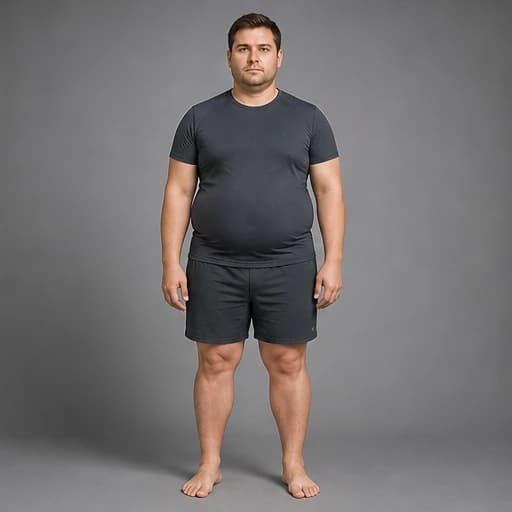
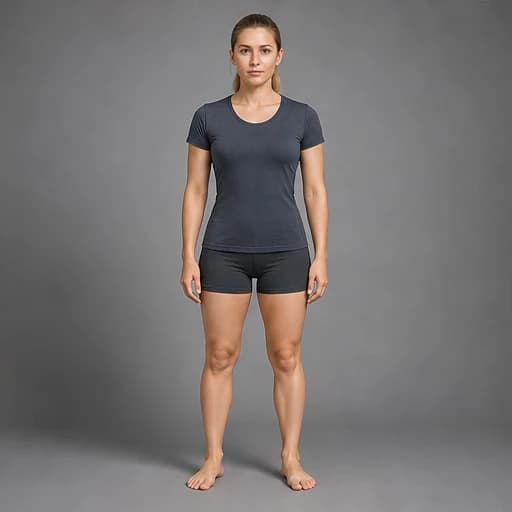
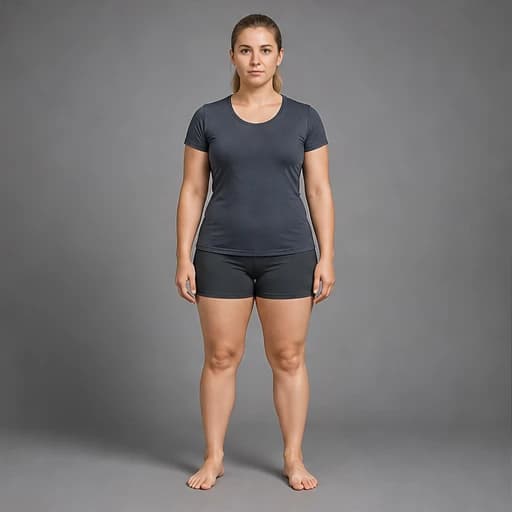
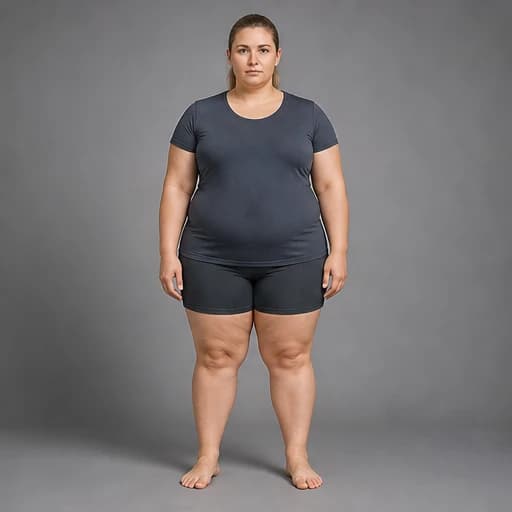
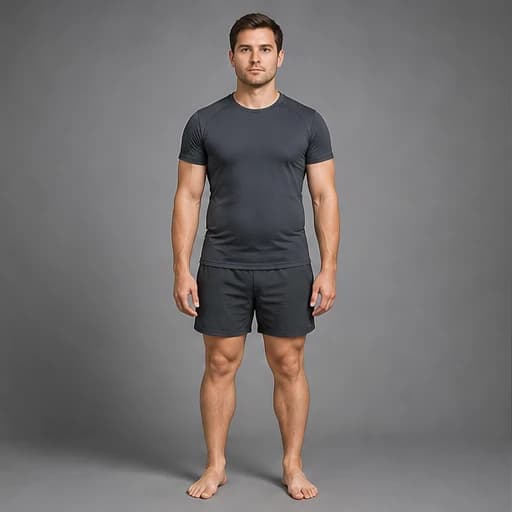
Each photo is a fixed, anonymous reference. The percentage label changes continuously, while the image snaps to the nearest honest reference instead of fabricating a personalized body.

Six range references

One number. Many bodies.

These anonymous generated figures show ranges—not diagnoses or promises. Muscle, height, age, posture, sex characteristics, and fat distribution all change appearance at the same estimate.
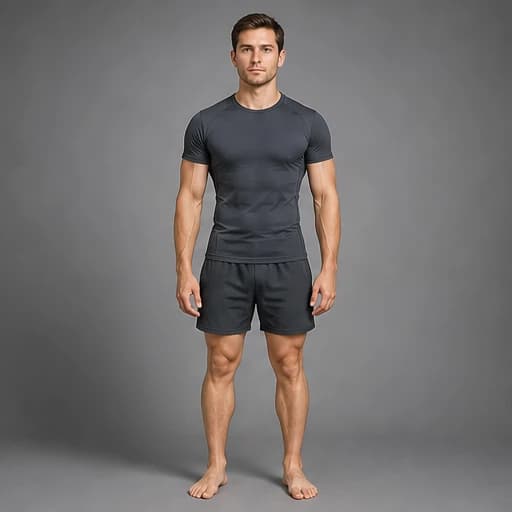
Male · ~10% educational body-fat range reference
01Male · ~10%Athletic definition
Male · ~20% educational body-fat range reference
02Male · ~20%Average range
Male · ~35% educational body-fat range reference
03Male · ~35%Higher range
Female · ~18% educational body-fat range reference
04Female · ~18%Athletic definition
Female · ~28% educational body-fat range reference
05Female · ~28%Average range
Female · ~40% educational body-fat range reference
06Female · ~40%Higher range

What is measured

The calculator uses legacy Navy-style circumference equations. No body photo is analyzed or uploaded.

Male height · neck · waistFemale height · neck · waist · hipsOutput estimate + visual range
NeckWaistHips
Tape level. Body relaxed.Measure after a normal exhale without compressing skin.
Open formulas and methodology
Male equation86.010 log₁₀(waist − neck) − 70.041 log₁₀(height) + 36.76Female equation163.205 log₁₀(waist + hips − neck) − 97.684 log₁₀(height) − 78.387

Inputs are converted to inches before the logarithms are applied. This is a consumer circumference estimate, not the current official U.S. Navy BCA process. We cross-checked coefficients and landmarks against the official service instruction.

Repeatability protocol

Consistency beats another decimal place

  1. 01Same timeSimilar hydration and training state
  2. 02Same landmarksTape level at neck, waist, and hips
  3. 03Normal exhaleNo bracing or forced emptying
  4. 04Repeat twiceAverage the closest two readings
  5. 05Compare weeksDaily change is mostly noise

Interpretation boundary

An estimate is not a diagnosis

Can’t seeVisceral fat
Can misreadMuscular builds
Only offersBinary equations
Changes withTape technique
When not to rely on this result

A circumference estimate cannot measure tissue directly or identify fat around organs. Muscle also changes neck, torso, and hip size, while a tape moved one or two centimeters can shift the output. If the number will guide medical care, eating-disorder treatment, competition preparation, or another major health decision, speak with a qualified professional.

For fictional visual editing rather than measurement, use the clearly labeled AI Body Editor and never present its output as a health result.

Body Fat Visualizer FAQ

What does the Body Fat Visualizer calculate?

The Body Fat Visualizer estimates body-fat percentage from height and circumference measurements using the legacy Navy-style equations widely used by consumer calculators, then places the estimate beside broad educational reference ranges. It is not the current official U.S. Navy BCA process, does not diagnose health, and does not measure fat tissue directly.

Is the Body Fat Visualizer a medical test?

No. It is an educational estimate. Hydration, measurement technique, body shape, muscle distribution, age, and the formula itself can change the result. DEXA, air-displacement, hydrostatic weighing, and a qualified clinician provide more appropriate assessment when accuracy matters.

Why does the Body Fat Visualizer ask for sex?

The published circumference equations use different terms for male and female body-composition patterns. This is a limitation of the method, not a statement about identity. If neither equation represents your physiology, treat the result as a rough reference only.

How should I measure my waist for the Body Fat Visualizer?

Use a flexible tape on bare skin, keep it level and snug without compressing, stand relaxed, and measure after a normal exhale. For the male equation measure at the navel; for the female equation use the narrowest waist location according to the Navy protocol.

How should I measure neck and hips?

Measure the neck just below the larynx with the tape slightly sloping down toward the front. For the female equation, measure hips at the widest point around the buttocks. Repeat each measurement twice and use the average if the readings differ.

How accurate is a circumference body-fat estimate?

It is useful for consistent trend tracking, not precision. Small tape-placement differences can move the estimate several points, and muscular or atypical body shapes may sit outside the assumptions of the formula. Keep conditions and technique constant across dates.

Can a photo accurately measure body-fat percentage?

A photo can support a broad visual estimate but cannot see internal or visceral fat and is affected by pose, lens, lighting, clothing, and muscle fullness. This page deliberately does not pretend an image-generation result is a measurement.

Are the six body-fat reference images exact?

No. They are newly generated, anonymous educational illustrations showing broad appearance differences. They are not calibration data, and real bodies at the same measured percentage can look very different because fat and muscle are distributed differently.

What is the best way to track change over time?

Use the same tape, landmarks, time of day, hydration state, and posture; take two readings; and compare a moving trend rather than one number. Pair the estimate with strength, waist trend, energy, and professional advice when needed.

Compare the range, then follow the trend

Use the visual slider for orientation. If you measure, repeat under the same conditions and compare several dates before drawing conclusions.

Compare body-fat ranges