
1. Name the wrongness
Say melting, too many eyes, or impossible gravity—clear verbs steer the joke.
Surreal, meme-friendly visuals. Keep it fictional, stylized, and kind.
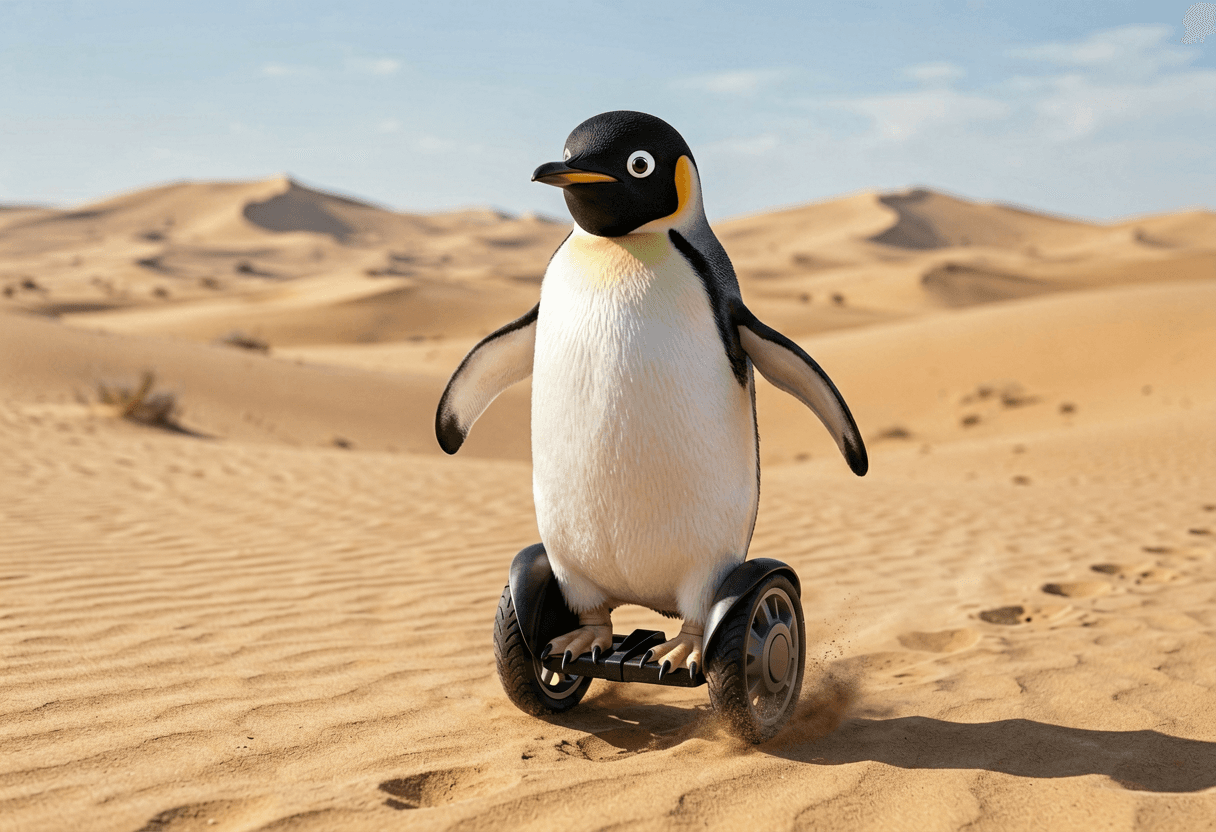
People hunting funny cursed ai images want visuals that feel off in a joking way—dream logic, impossible physics, or uncanny props that still read as comedy. The format thrives when prompts stay cartoonish and avoid real likenesses. Communities adopt the label when discomfort and laughter arrive together; creators use stills for reaction posts, stream overlays, and Discord culture. Teachers sometimes demo outputs to discuss how models exaggerate patterns, always with ethics front and center. Specify surreal, rubber-hose, or collage aesthetics so the tone stays comedic instead of horror. Test drafts with friends before posting—humor is subjective, and jokes that confuse audiences miss the mark. Platform rules still apply, even when the vibe is ironic. Funny cursed ai images work best as voluntary, good-natured fiction—not as cover for harassment.
Shared awkward laughter bonds communities—funny cursed ai images are social objects, not just pictures.
Low-stakes absurdity lets people experiment with generative tools without demanding photorealism first.
Streamers recycle surreal emotes because the style reads instantly at small sizes.
Writers keep folders of weird stills as story prompts; one frame can suggest an entire subplot without writing a paragraph.
Funny cursed ai images are AI-generated pictures that feel subtly wrong yet amusing—internet slang, not a formal genre. The funny cursed ai images label signals meme energy, not malice.
Responsible funny cursed ai images workflows invent fictional characters, avoid harassment, and respect community guidelines. Funny cursed ai images should never target real people.
Creatively, funny cursed ai images help writers break idea blocks because the visuals suggest stories normal prompts would not surface.
Educators compare funny cursed ai images to discuss model bias, overfitting, and why funny cursed ai images sometimes fail hilariously.
When outputs drift into distressing territory, change style tokens to cartoon or claymation and regenerate.
File naming matters for teams: store prompts alongside PNGs so you can reproduce a viral frame without guessing which seed language built it.
Export at higher resolution than your final meme size, then downscale with sharp nearest-neighbor filters to keep edges crisp on retro-inspired jokes.
Accessibility matters: if you add text overlays, use high contrast and large type so viewers with low vision can still read the punchline.
Batch exports for weekly content calendars by saving prompt JSON in version control—your future self will thank you when a client asks for variant B six months later.
Sound designers sometimes pair ironic stills with foley sketches; even silent memes benefit from knowing whether audio will eventually attach.
Community moderators appreciate when creators tag irony explicitly—ambiguous posts force more reports than clearly labeled joke threads across public feeds.
Funny cursed ai images mix scale breaks, color clash, and deadpan captions. These notes keep the vibe playful without drifting into harm.
Use Text to Image above with guardrails suited to funny cursed ai images and community norms.
Say melting, too many eyes, or impossible gravity—clear verbs steer the joke.
Cartoon, felt craft, or low-poly cues keep the mood lighthearted.
Square crops and bold captions complete most ironic meme jokes.
Policies differ—mark sensitive funny cursed ai images when platforms ask.
Avoid likenesses; invent characters for funny cursed ai images.
Pivot prompts if results feel scary instead of funny cursed ai images.
Use Image to Video AI after you lock a still funny cursed ai images frame.
Keep funny cursed ai images mild and cartoonish for younger audiences.
Optional cookies help us understand usage and measure ads. Essential cookies stay on so Voor works.