

Symbols
Check signs, exponents, fractions, and brackets.
Snap a photo of any problem and let the ai homework helper return a clean, step-by-step worked solution. Covers math, science, and reading. Powered by GPT Image 2 on Voor — always verify the steps and use them to learn.
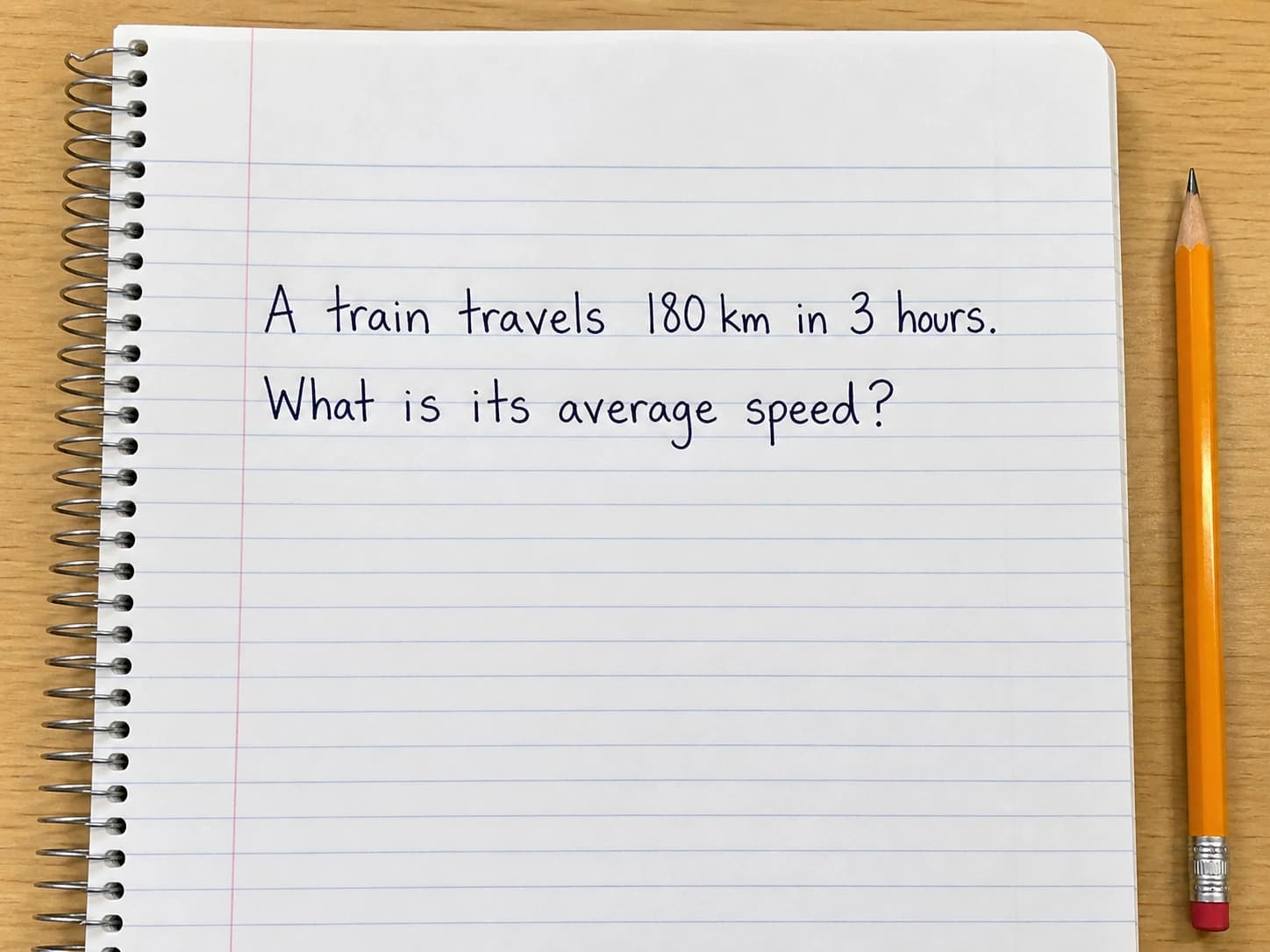
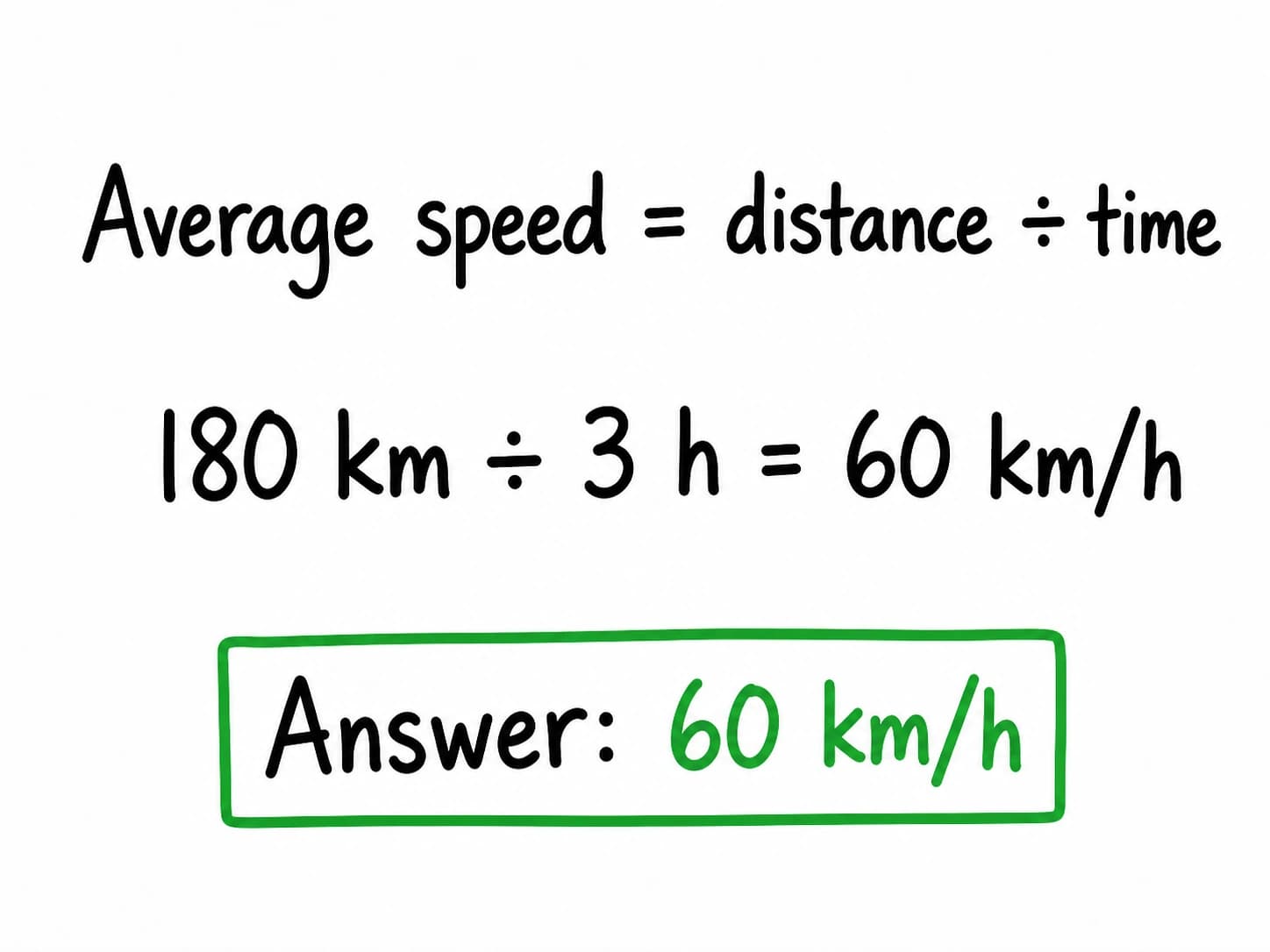
Photo → method → answer
Compare the original question with a complete, checkable solution. The arithmetic and units stay visible from start to finish.
A precise study goal produces a more useful page than “give me the answer.”
Create a clean worked solution. Show the formula, substitution, calculation, units, and boxed final answer.
Check signs, exponents, fractions, and brackets.
Recalculate substitutions and arithmetic yourself.
Confirm the answer uses the quantity the question asks for.
Read the method as four visible checkpoints
The same train problem is cropped into four review frames. This is not four different answers; it is one traceable chain you can check without hunting through a paragraph.
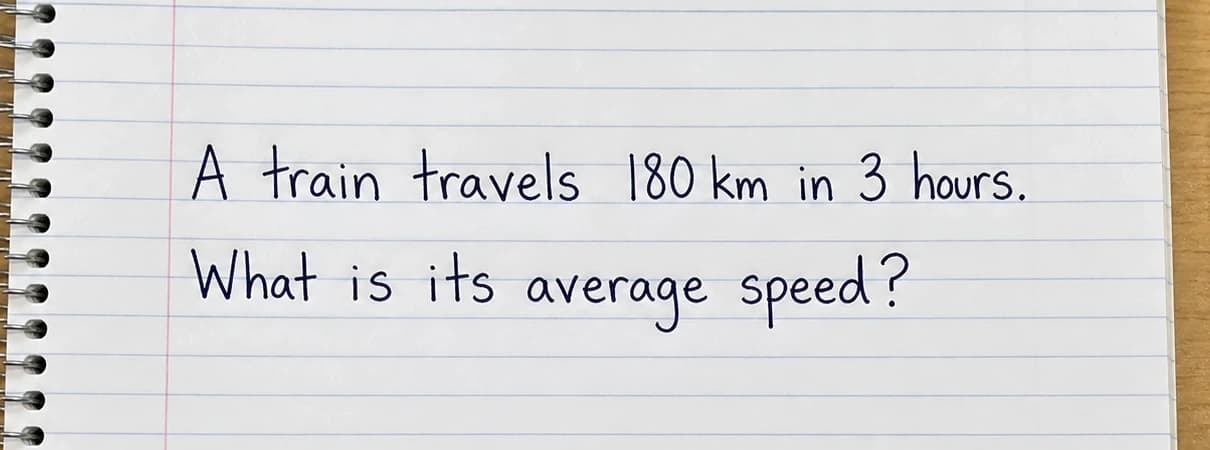
Read every number and unit before selecting a method.

Name the relationship in words and symbols.
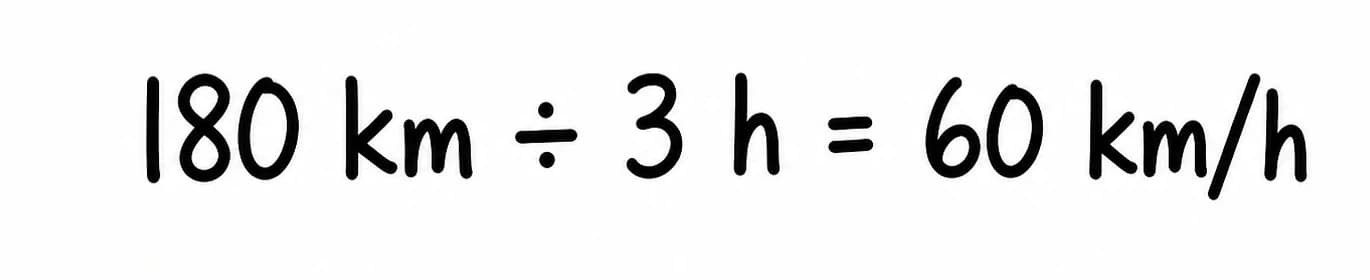
Insert the values with their units and complete the arithmetic.
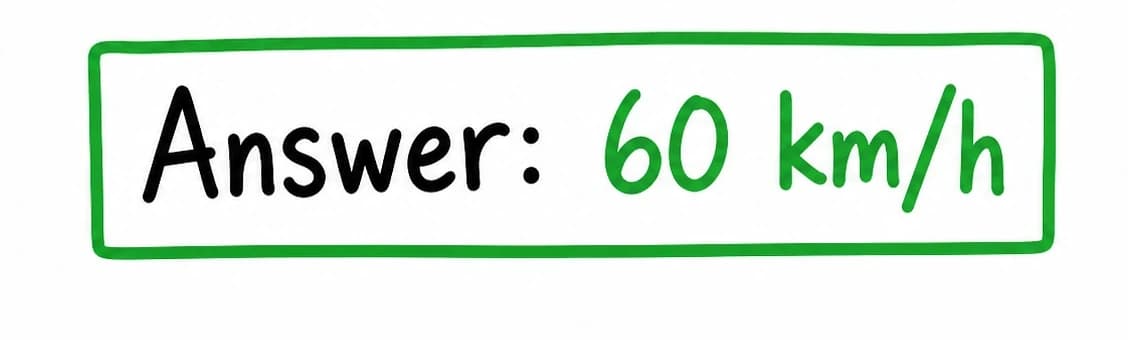
State the result in the requested quantity and check whether it is reasonable.
Choose the request that matches your subject, then adapt it to the exact page, diagram, attempt, or passage you upload.

Show the first transformation
Ask for formula, substitution, simplification, and check. If you already tried, include your work and ask for the first incorrect line — not a replacement solution.

Track units, balance first
Variables listed before any equation; every substitution carries units. For chemistry, get atom counts and a balanced equation before any mole or mass work.

Point to the evidence
Ask for a claim, quoted evidence, and the reasoning between them. Use it to find the lines yourself rather than submitting generated analysis as your own reading.
Comment, do not rewrite
Ask for thesis clarity, evidence gaps, and the one sentence most needing revision — then fix it in your own voice. For grammar, ask for the rule, not just the correction.
Repeat the arithmetic yourself and substitute the final value back when the problem allows it.
Track units through every line and compare scientific claims or formulas with the course source.
Say the method in your own words, then solve a similar problem without looking at the generated page.
Use the helper within school rules, cite assistance when required, and never submit generated work as your own.
AI homework helper FAQ
Clear input and an explicit study goal improve the output, but the student still owns verification, course policy, and the final explanation.
An ai homework helper takes a photo of your problem — a math equation, a science diagram, a reading passage — and returns a clean, step-by-step worked solution. The version on Voor runs GPT Image 2, which renders each step as legible written working so you can follow the logic, not just copy the answer. The visual format matters: instead of getting a wall of LaTeX or plain text, you see handwriting-style steps on a page that looks like notes a good tutor would draw on a whiteboard. That makes it easier to point at the exact line where your own attempt went wrong.
It works best on math (arithmetic through calculus), science (biology diagrams, chemistry equations, physics word problems), and reading or essay tasks (summaries, grammar checks, thesis feedback). For highly specialized or graduate-level material, treat the output as a starting point and verify with your textbook or instructor. The sweet spot is the kind of problem that has a known method and a definite answer — those let you verify each step independently. Open-ended analysis, creative writing evaluation, and questions that depend heavily on a specific syllabus or rubric are where you should lean on the helper less and your own judgement more.
New accounts receive 50 welcome credits; the generator shows the credit cost before you run it. Each run spends credits based on the model and the complexity of the output. GPT Image 2 is the default because it renders clean stepped working that is easy to read and compare with your notes. The credit cost is visible in the generator before you submit, so you always know what a run will cost before committing. If you want to stretch credits further, simplify the problem to its essential question — a tightly framed input usually produces a tighter, cheaper output.
No — an ai homework helper is a study aid, not an infallible authority. It performs well on clean, clearly photographed problems but can misread handwriting, drop a minus sign, apply the wrong formula to an ambiguous problem type, or produce a plausible-looking chain of reasoning that reaches the wrong answer. Check the steps against your notes and textbook. The most dangerous errors are the ones that look confident: a neatly written solution with one wrong sign early on produces a final number that seems reasonable but is incorrect. Always recompute the arithmetic yourself and substitute the result back into the original equation when the problem allows it.
Often yes, especially neat print handwriting with good contrast and spacing. Dense cursive, very small text, overlapping annotations, or pages where the work and the question are tangled together cause trouble. If results drift or the helper misinterprets a symbol, rewrite the problem on a clean sheet with a dark pen, photograph it in even light, and re-upload. The five seconds it takes to rewrite a problem cleanly almost always saves you a wasted credit — a misread input produces a confidently wrong solution, and you end up spending more time debugging the helper's answer than you would have spent rewriting the question.
That depends on your school's academic integrity policy — always check before submitting anything. Using the helper to understand a method and then redoing the problem yourself is studying. Copying the output word-for-word and submitting it as your own work is academic dishonesty in most contexts. Treat it like a patient tutor, not an answer machine: ask it to show you the method, then close the tab and solve a similar problem from scratch. The test of whether you learned anything is whether you can reproduce the reasoning without looking at the helper's output. If you cannot, you borrowed an answer instead of building understanding.
Use bright even light without glare or shadow, hold the camera parallel to the page so the text is not keystoned, include the complete question and any diagram, and crop away unrelated work or margin notes. Make fractions, exponents, minus signs, units, and handwritten labels large enough to inspect at full resolution. If one symbol is unclear even to you, rewrite the problem cleanly before uploading. Phone cameras are fine, but avoid using the flash — it creates a bright hotspot in the centre that washes out exactly the characters the model most needs to read. A well-lit desk lamp to the side gives more even coverage.
Yes, and this is the most valuable way to use it. Include the original problem and your full working, then ask the helper to find the first incorrect step, explain why it fails, and show only the corrected next step — not the entire solution from scratch. This preserves more of your reasoning and makes the feedback easy to compare with your notes or a teacher's method. The key phrase in your prompt is 'find the first error' — without that instruction, the model tends to rewrite the whole problem from the top, which teaches you less and costs the same number of credits.
Reread the original question to make sure the helper answered what was actually asked. Recompute the arithmetic line by line. Check signs, units, and dimensional consistency. Substitute the final result back into the original equation when possible and confirm the two sides balance. For reading or science tasks, verify factual claims and specialist terminology against your course source. If the helper misread the image, correct the input and regenerate rather than trying to patch a solution that started from the wrong premise. A wrong starting point cannot produce a trustworthy answer no matter how clean the subsequent algebra looks.
Optional cookies help us understand usage and measure ads. Essential cookies stay on so Voor works.