Discord

Explore masculine, feminine, and androgynous presentation styles without claiming to infer anyone's gender. Preserve identity and control the styling changes.

Example Image
BeforeBefore — Apply requested masculine presentation cues while preserving identity, skin tone, age, expression, body, and background.
AfterApply requested masculine presentation cues while preserving identity, skin tone, age, expression, body, and background.

Generator examples

AI gender change filter

AI gender change filter — explore presentation without labeling identity

Use this presentation-style editor to explore masculine, feminine, or androgynous styling without treating appearance as identity. The presets change requested hair, grooming, makeup, and wardrobe while asking the model to preserve face, body, skin tone, age, expression, and background. The output is styling, not classification.

No gender inference · Consent-first · Styling-only contract

Try AI gender change filter
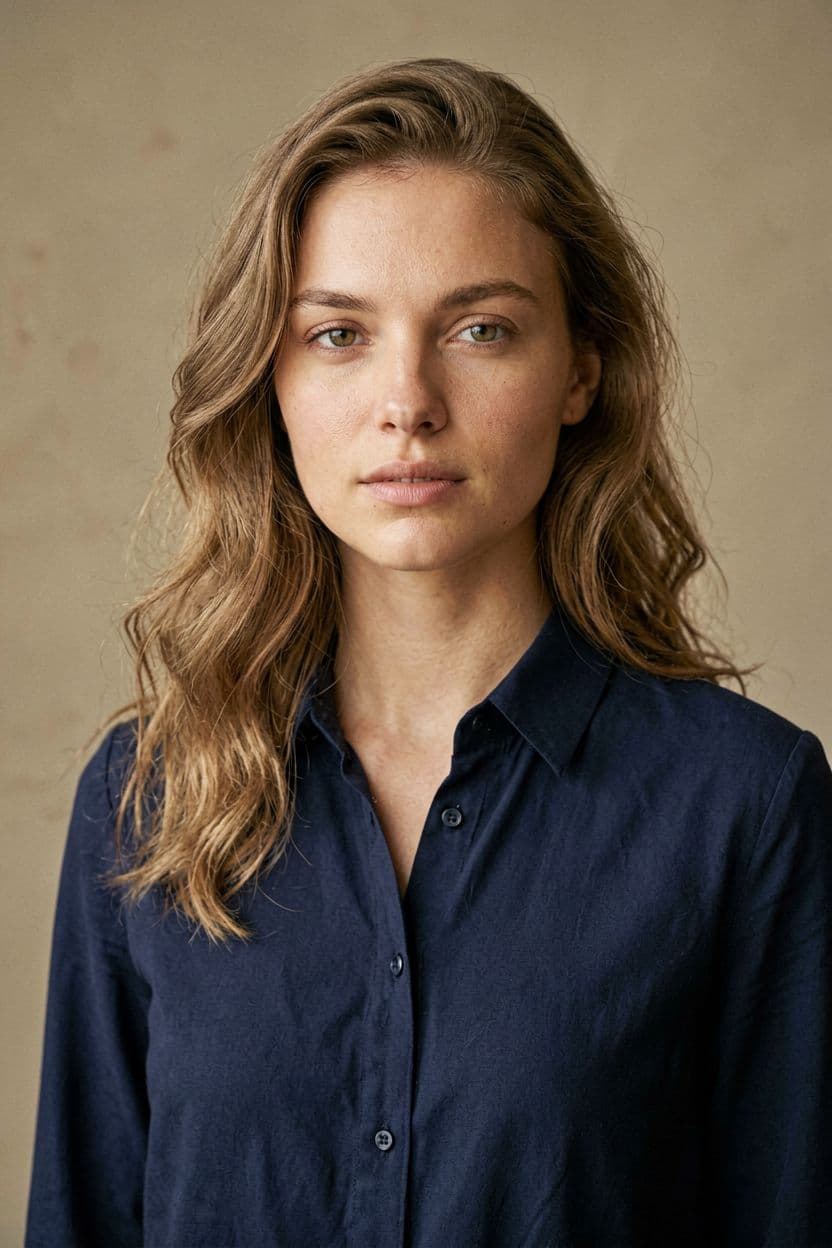
Fictional adult portrait before a presentation-style edit
Source identity — face and light stay fixed
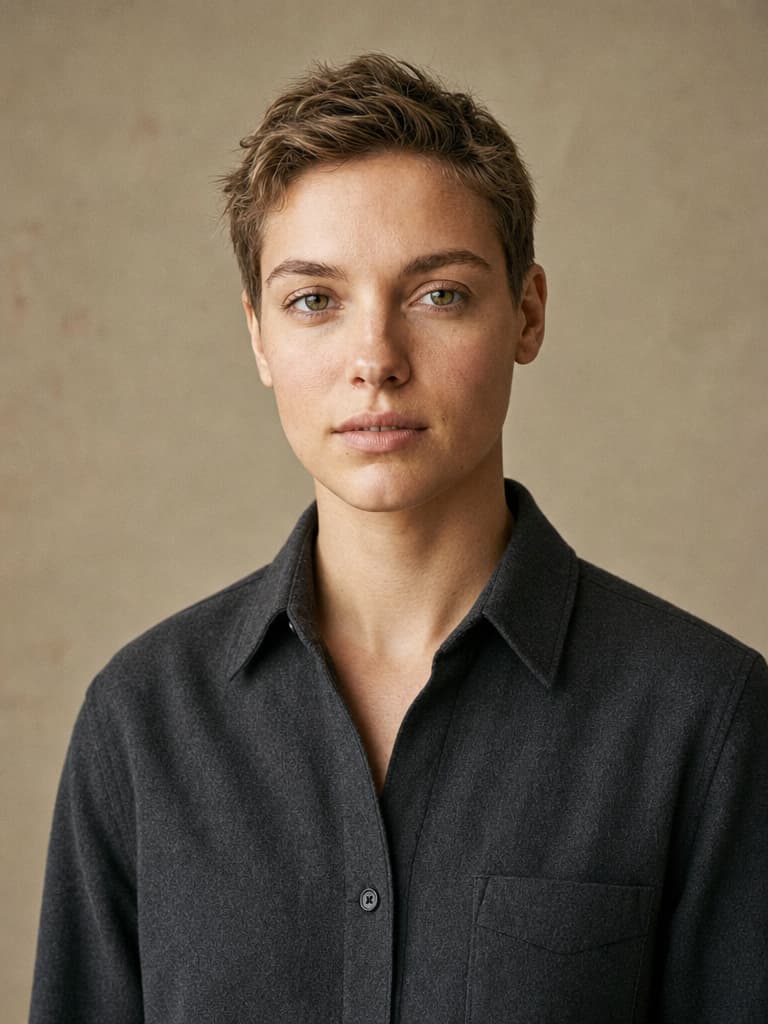
Same fictional adult with a generated masculine presentation
GPT Image 2 edit — masculine presentation

Write a respectful presentation edit

Describe visible design choices and avoid asking the model to decide who the person is.

  1. Confirm consent and purpose

    Use the subject's own requested exploration, costume, character, or styling goal. Do not transform someone for ridicule.

  2. Choose a direction, not a label

    Masculine, feminine, and androgynous refer to requested style cues here, not a conclusion about gender identity.

  3. List the allowed changes

    Name hair, facial hair, makeup, wardrobe, or accessories and repeat what must stay unchanged.

  4. Audit for stereotype drift

    Compare face, skin tone, age, body, expression, and background. Rerun or stop when the model changed more than the brief allowed.

Controls that separate styling from identity

The preset names the visible changes and explicitly protects the person underneath them.

Same fictional adult with a generated masculine presentation
GPT Image 2 edit — masculine presentation

Masculine styling

Explore hair, grooming, tailoring, and accessory direction without changing face structure or declaring what gender the subject is.

A styling transformation is easy to request, but binary labels can collapse appearance, sex, and gender into one unsupported conclusion. Treat masculine, feminine, and androgynous options as editable presentation cues rather than identity detection.

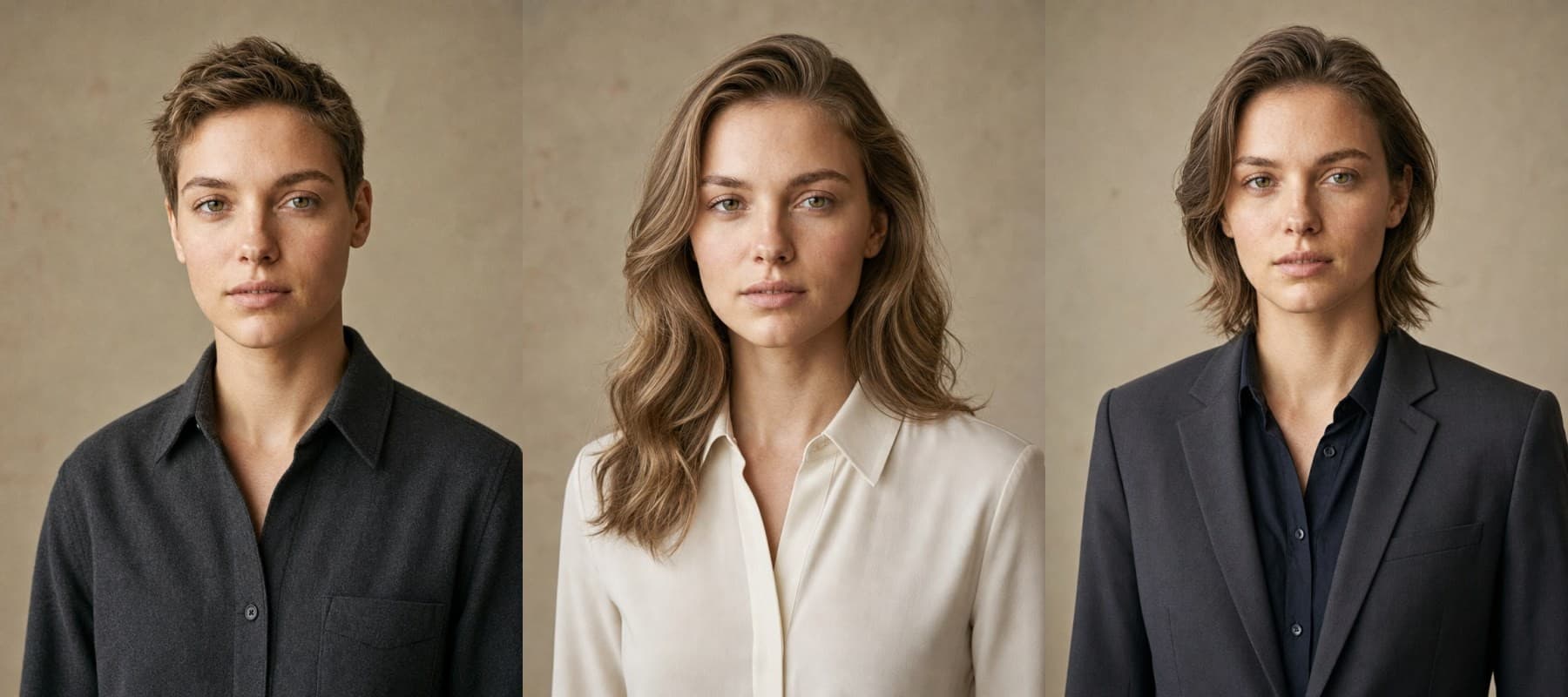
Three styling variations of the same fictional adult showing masculine, feminine, and androgynous presentation
Three scoped presentation edits — no identity inference

Feminine styling

Use hair, makeup, fabric, and wardrobe choices as editable visual language while protecting identity and physical proportions.

Gender is not reliably inferable from facial features, clothing, voice, or a generated image. Choose the presentation cues you want to edit and keep the preservation contract visible; the tool does not score, detect, or verify gender.

Androgynous styling

Balance silhouette, grooming, and fashion cues without treating androgyny as a single body type or neutral face.

Custom requested changes

List only the hair, makeup, grooming, clothing, or accessory edits the consenting subject wants. A narrow brief reduces stereotyping and unwanted reconstruction.

Why this is not a gender detector

Fictional adult portrait before a presentation-style edit detail crop

Use only your own photo or one you are authorized to edit. Do not use the result to harass, out, impersonate, or misgender someone. Be especially careful with minors and with sharing before-and-after images publicly.

Generative editors can reproduce stereotypes or alter skin tone, age, ethnicity, weight, and facial geometry without being asked. Compare the result against the source and reject any output that changes protected traits or physical identity outside the stated styling brief.

User agency and a bounded edit contract reduce the common failure where a filter changes the face, age, or body to force a stereotype.

The result remains flexible for makeup tests, wardrobe concepts, character art, or personal exploration while avoiding the unsupported claim that AI can identify gender from an image.

AI gender change filter — practical questions

Can AI detect gender from my face?

This tool does not try. Gender cannot be reliably determined from a face; it only edits the presentation cues you request.

Will it change my facial structure?

The presets tell the model not to, but generative output can drift. Compare with the source and reject unintended changes.

Is the tool only binary?

No. It includes androgynous and custom styling, and none of the options are identity labels.

Can I use another person's photo?

Only with authorization and a respectful purpose. Do not use synthetic transformations to harass, impersonate, or out someone.

What does “gender change” mean in this tool?

It means changing requested presentation cues such as hair, grooming, makeup, or wardrobe. It does not detect or verify anyone's gender.

Put AI gender change filter to work

Treat the model like a styling assistant: specify visible choices, protect the subject, and never turn the output into a claim about identity. The person—not the filter's stereotype—sets the meaning.

Open AI gender change filter